
Reduces winter heat loss through walls
Uninsulated brick and weatherboard walls let heat escape quickly in winter. Bulk batts trap still air in the stud cavities, slowing heat transfer and keeping rooms warmer for longer.
Collingwood Wall Insulation
Wall insulation in Collingwood cuts winter heat loss and street noise in older weatherboard and brick homes. Expert Insulation Melbourne installs glasswool or polyester batts into open stud frames during renovations, extensions or new builds.
Share your details and Expert Insulation Melbourne will contact you about Wall Insulation in Collingwood.
Collingwood’s mix of Victorian terraces and weatherboard cottages often lacks wall insulation, leading to cold draughts and higher heating costs in winter. Wall insulation involves fitting bulk batts into the open stud frames before the lining goes on, which is the only practical time to do it in existing homes. This service is typically done during renovations, extensions or new builds when walls are open.
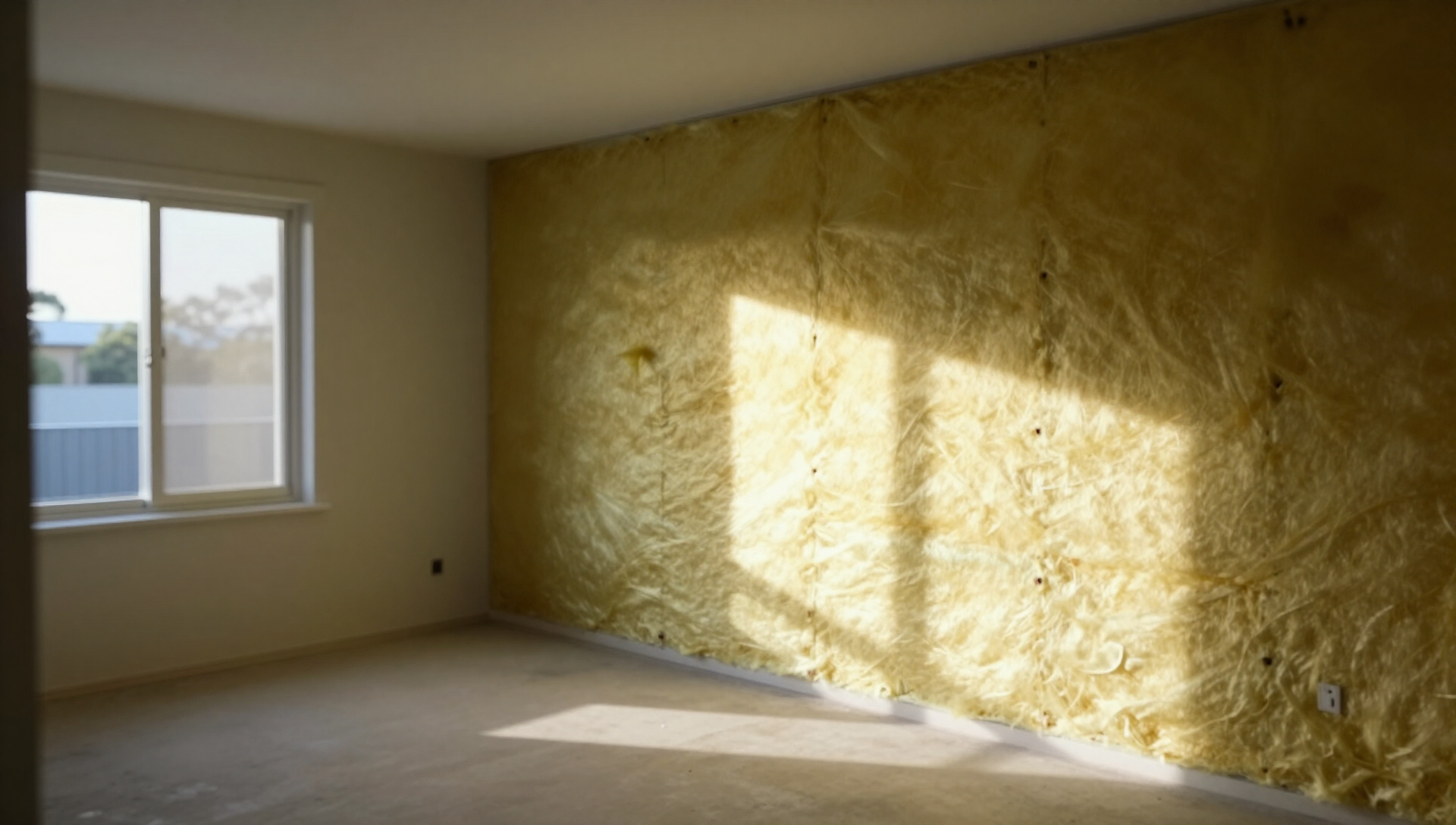
Collingwood’s older homes were built without wall insulation, so adding it during a renovation makes a noticeable difference to comfort and energy bills. The inner-north suburb’s dense housing and busy roads also mean noise can be an issue, which acoustic batts help address.
Uninsulated brick and weatherboard walls let heat escape quickly in winter. Bulk batts trap still air in the stud cavities, slowing heat transfer and keeping rooms warmer for longer.
With less heat escaping through walls, your heater runs less often. This cuts energy use and reduces bills during Melbourne’s cold, damp winters.
Collingwood’s proximity to major roads and trams means external noise can be intrusive. Dense batts absorb sound vibrations, reducing traffic and neighbour noise inside the home.
Properly installed wall insulation helps regulate temperature differences that can cause condensation on internal walls, reducing the risk of mould growth.
Insulated walls keep heat out in summer and in during winter, stabilising indoor temperatures and reducing the need for constant heating or cooling adjustments.
Installing wall insulation as part of a renovation improves the home’s thermal performance and energy rating, which can be a selling point for future buyers.
Wall insulation is fitted during the construction or renovation phase when the wall frames are exposed. The process is straightforward but must be done before the internal lining is installed.
We check the stud frame spacing and condition, ensuring there are no gaps, wiring or plumbing in the way. Batts are cut to fit snugly between studs without compression.
Batts are friction-fitted between the studs, starting from the bottom and working upwards. They are held in place by the natural spring of the material against the studs.
Electrical cables and pipes are worked around carefully. Batts are split or trimmed to fit around obstacles while maintaining full coverage where possible.
Once all batts are in place, we check for any gaps or compression. The internal lining (plasterboard or other) is then installed over the insulated frame.
Collingwood’s older homes, particularly its Victorian and Edwardian terraces and weatherboard cottages, were not built with wall insulation. These properties often suffer from cold draughts, uneven temperatures and high heating costs in winter. Installing wall insulation during a renovation or extension is the most effective way to improve thermal comfort and reduce energy use in these homes. Nearby suburbs like Fitzroy and Abbotsford share similar housing stock and climate challenges, making wall insulation a practical upgrade for many inner-city properties.
Reduce heat loss and noise in Collingwood homes with wall insulation installed during renovations.
Homeowners in Collingwood often have questions about how wall insulation works, when it can be installed and what difference it makes. Here are the most common queries we answer.
Wall insulation in Collingwood is a cost-effective way to improve thermal comfort in older homes that lack insulation in their external walls. Many of Collingwood’s Victorian and Edwardian properties were built with single-skin brick or weatherboard walls, which provide little resistance to heat flow. Installing glasswool, polyester or rockwool batts into the stud frames during a renovation or extension slows heat transfer, keeping homes warmer in winter and cooler in summer.
The process involves fitting batts snugly between the vertical studs in the wall frame before the internal lining is fixed. This is typically done when walls are opened up for renovations, as retrofitting insulation into closed walls is not practical. For internal walls, acoustic batts can be added to reduce noise transfer between rooms, which is particularly useful in Collingwood’s densely built areas where soundproofing is a concern.
Choosing the right R-value is important for effective wall insulation. In Melbourne’s climate, external walls commonly use batts with an R-value between R2.0 and R2.7, depending on the available stud depth. Higher R-values provide better thermal resistance but require deeper studs. A professional installer will assess your wall frame and recommend the most suitable product and R-value for your home.
If your Collingwood home is being renovated or extended, now is the time to add wall insulation. Contact Expert Insulation Melbourne to discuss your project and get a quote.