
Lower cooling costs in summer
By reflecting radiant heat away from the roof space, foil insulation reduces the workload on air conditioners. This can lead to noticeable savings on energy bills during Melbourne’s heatwaves.
For Collingwood homes
Roof insulation installed at the roofline under tiles or metal sheeting cuts summer heat gain through the roof. We fit foil-faced blankets and sarking in Collingwood homes with raked or cathedral ceilings to keep indoor temperatures stable.
Share your details and Expert Insulation Melbourne will contact you about Roof Insulation in Collingwood.
Roof insulation is installed directly under the roofing material to block radiant heat before it enters the roof space. In Collingwood’s hot summers, this stops the roof from turning into a heat source that pushes up cooling costs. Foil-faced blankets and sarking are the most effective products for this job, reflecting up to 97% of radiant heat when installed with an air gap.
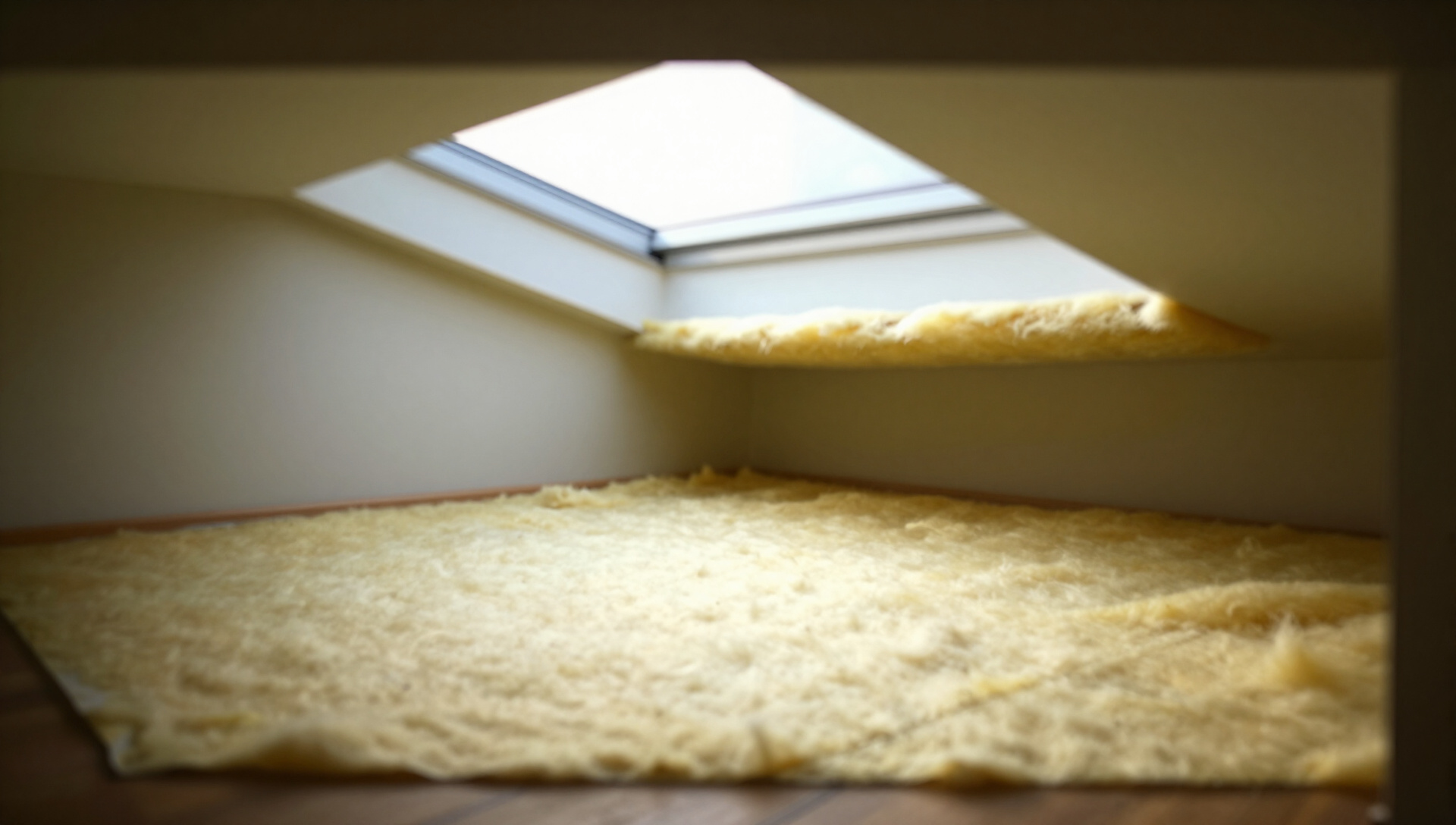
Collingwood’s mix of older weatherboard homes and newer developments often have roof spaces that absorb and radiate heat. Roof insulation addresses this by stopping heat at the source, which is especially valuable in areas exposed to hot northerly winds.
By reflecting radiant heat away from the roof space, foil insulation reduces the workload on air conditioners. This can lead to noticeable savings on energy bills during Melbourne’s heatwaves.
Homes stay cooler for longer without the spikes in temperature that come from direct roof heat transfer. This is particularly useful in Collingwood’s tightly packed streets where heat can build up.
Ceiling batts work best when they are not overwhelmed by heat radiating down from the roof. Roof insulation takes the pressure off, so your existing ceiling insulation performs as intended.
Foil sarking also acts as a vapour barrier, helping to manage moisture that can build up in roof cavities. This is important in Collingwood’s damp winters when temperature swings can cause condensation.
Many Collingwood homes have exposed rafters or cathedral ceilings where traditional ceiling batts cannot be used. Roof insulation fits directly under the roofing material to provide thermal resistance in these designs.
Reflective foil products do not compress or degrade over time like some bulk materials. Once installed, they continue to perform without the need for topping up or replacement.
Installing roof insulation requires access to the roof cavity and careful placement to ensure the reflective surface faces the correct direction. The process varies depending on whether the roof is tiled or metal, and whether sarking is being added during a re-roof or retrofitted.
We start by inspecting the roof space to confirm the roof type, pitch and access points. For tiled roofs, we check for broken tiles or gaps that need repair before installation. Metal roofs are assessed for fasteners and sheet condition.
Foil-faced blankets are cut to fit between rafters or purlins, while sarking is rolled out under the roofing material. We measure the roof area to determine the amount of material needed, accounting for overlaps and joins.
For foil blankets, we staple or clip the material to the underside of the rafters, ensuring a continuous layer with no gaps. Sarking is laid directly under the roofing sheets or tiles, with all seams taped to maintain the vapour barrier.
All edges and joins are sealed with foil tape to prevent heat leakage. We also check that the insulation does not obstruct ventilation paths or come into contact with electrical cables in the roof space.
Collingwood’s inner-city location means many homes are exposed to urban heat island effects, where concrete and bitumen amplify summer temperatures. Roof insulation is one of the most effective ways to counter this, particularly for older weatherboard homes with uninsulated roof spaces. Nearby suburbs like Fitzroy and Abbotsford share similar housing stock and climate challenges, making roof insulation a practical upgrade for the area.
Reflective foil insulation under tiles or metal sheeting to cut summer heat gain in Collingwood homes.
Common questions about installing roof insulation in Collingwood homes, including suitability, process and performance.
Roof insulation in Collingwood targets the main source of summer heat gain in homes: the roof itself. Without a reflective barrier, dark roofing materials absorb heat and radiate it into the roof space, forcing air conditioners to work harder. Foil-faced blankets and sarking reflect up to 97% of this radiant heat, keeping the roof space cooler and reducing the load on cooling systems.
Collingwood’s older weatherboard homes often have uninsulated roof spaces, while newer developments may have minimal thermal resistance at the roofline. Roof insulation is particularly effective for homes with raked or cathedral ceilings, where traditional ceiling batts cannot be installed. It also complements existing ceiling insulation by preventing heat from overwhelming the batts from above.
The installation process involves accessing the roof cavity, measuring and cutting reflective foil products to fit, and securing them with staples, clips or tape. For metal roofs, sarking can be installed during re-roofing or retrofitted under existing sheets. The work typically takes a day, depending on roof size and access. Homeowners should ensure the roof is in good condition before installation, as broken tiles or rusted sheets will need repair first.
Reduce summer heat gain and cooling costs with roof insulation installed by Expert Insulation Melbourne. We work across Collingwood and can assess your roof space for foil-faced blankets or sarking.