
Warmer floors in winter
Insulation between the joists slows heat loss through the floor, keeping the timber floor surface noticeably warmer underfoot. This reduces the chill that rises into living areas and bedrooms above.
Collingwood
Underfloor insulation in Collingwood eliminates cold floors and draughts through floorboards by installing bulk batts between joists in the subfloor. Expert Insulation Melbourne does this work in Collingwood homes with suspended timber floors.
Share your details and Expert Insulation Melbourne will contact you about Underfloor Insulation in Collingwood.
Underfloor insulation in Collingwood is the installation of bulk insulation batts between the floor joists from the subfloor space beneath suspended timber floors. It is a practical solution for older Collingwood homes where cold air rises through gaps in the floorboards and cold floors make living spaces uncomfortable in winter.
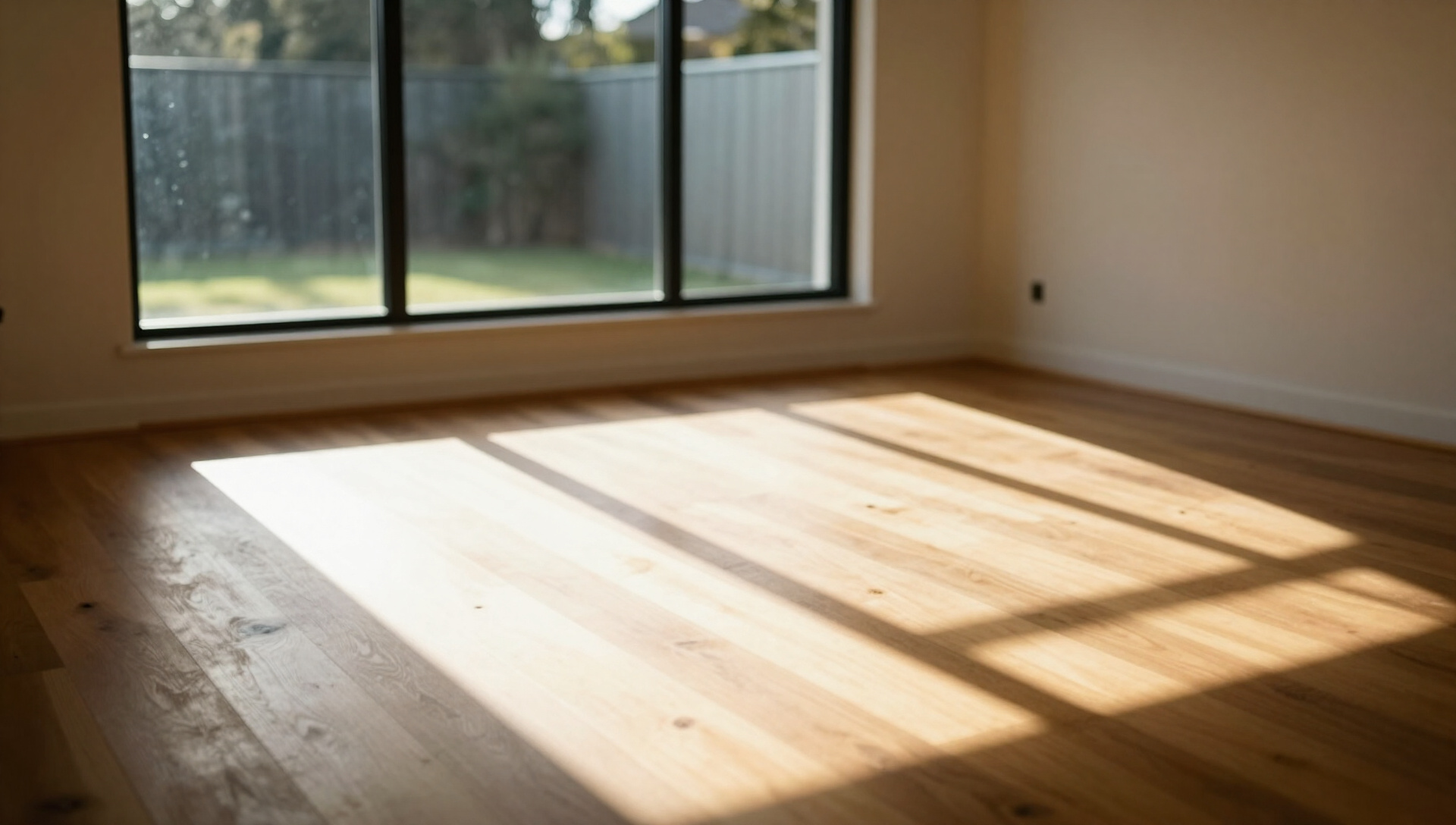
Collingwood’s older weatherboard and terrace homes often have suspended timber floors with little or no insulation. Underfloor insulation addresses the specific issues these homes face in Melbourne’s cold winters and hot summers.
Insulation between the joists slows heat loss through the floor, keeping the timber floor surface noticeably warmer underfoot. This reduces the chill that rises into living areas and bedrooms above.
Gaps between floorboards and around skirting let cold air enter from the subfloor. Underfloor batts block these draughts, improving comfort and reducing the load on heating systems.
By cutting heat loss through the floor, the home retains warmth longer. This means heaters run less often, which lowers energy bills over winter.
In summer, underfloor insulation also helps by reducing heat gain from the ground and subfloor space, keeping indoor temperatures more stable.
Properly installed batts with a vapour barrier where needed reduce moisture movement from the subfloor, protecting timber and preventing dampness in the home.
The work is done from the subfloor without removing floorboards or disrupting the home’s interior. Access points are used or small sections of skirting may be temporarily removed.
Installing underfloor insulation in Collingwood requires access to the subfloor, careful placement of batts and attention to gaps and obstructions. The process is straightforward when there is sufficient crawl space and clear access.
The first step is to inspect the subfloor for access, joist spacing, existing insulation, moisture, wiring and plumbing. Any debris or old material is removed to create a clean workspace.
Bulk insulation batts are measured to fit snugly between the floor joists without compressing. Glasswool, polyester or rockwool are common choices, selected for their thermal performance and suitability for the space.
The batts are friction fitted between the joists, ensuring full coverage with no gaps. They are held in place by the joists and should not sag or leave voids that would reduce effectiveness.
Any gaps around pipes, cables or the edges of the subfloor are sealed to prevent draughts. Access panels or removed skirting are reinstated, leaving the home as it was found.
Collingwood’s mix of Victorian and Edwardian terraces and weatherboard homes often have suspended timber floors with minimal or no insulation. These homes are exposed to Melbourne’s cold winters, where cold air rises through floorboards and cold floors make rooms uncomfortable. Underfloor insulation is a cost-effective way to improve thermal comfort without major renovations.
Stop cold floors and draughts in Collingwood homes with underfloor insulation installed under suspended timber floors.
Homeowners in Collingwood often ask about the practicalities of underfloor insulation, including access, R-values and whether it can be added to older homes.
Underfloor insulation in Collingwood targets the cold floors and draughts common in older weatherboard and terrace homes. By installing bulk batts between the floor joists in the subfloor, heat loss through the floor is reduced, floors stay warmer and heating costs drop. This is particularly valuable in Collingwood, where many homes were built before insulation standards were common.
The installation process requires access to the subfloor, which in Collingwood is often possible through existing vents, hatches or by temporarily removing sections of skirting. Batts are cut to fit snugly between joists, with typical R-values ranging from R1.5 to R2.5 depending on the product and available space. Glasswool, polyester and rockwool are all suitable materials, chosen for their thermal resistance and durability in subfloor conditions.
Signs a Collingwood home needs underfloor insulation include cold floors in winter, noticeable draughts through floorboards and high heating bills. The work is non-invasive, with no need to remove floor coverings or disrupt the home’s interior. Costs vary based on the size of the area, access difficulty, the chosen R-value and whether old insulation needs removal first.
Expert Insulation Melbourne installs underfloor insulation in Collingwood to stop cold floors and draughts. Call 0399695249 or email info@expertinsulationmelbourne. com. au for a quote.